
Syllabus Topic
Religion and Belief Systems in Australia post-1945
Contemporary Aboriginal Spiritualities
discuss the continuing effect of dispossession on Aboriginal spiritualities in relation to:
Dispossession has profoundly impacted Aboriginal spiritualities, particularly through separation from the land, kinship groups, and the Stolen Generations. These disruptions have led to a loss of cultural identity, spiritual dislocation, and intergenerational trauma.
Separation from the Land
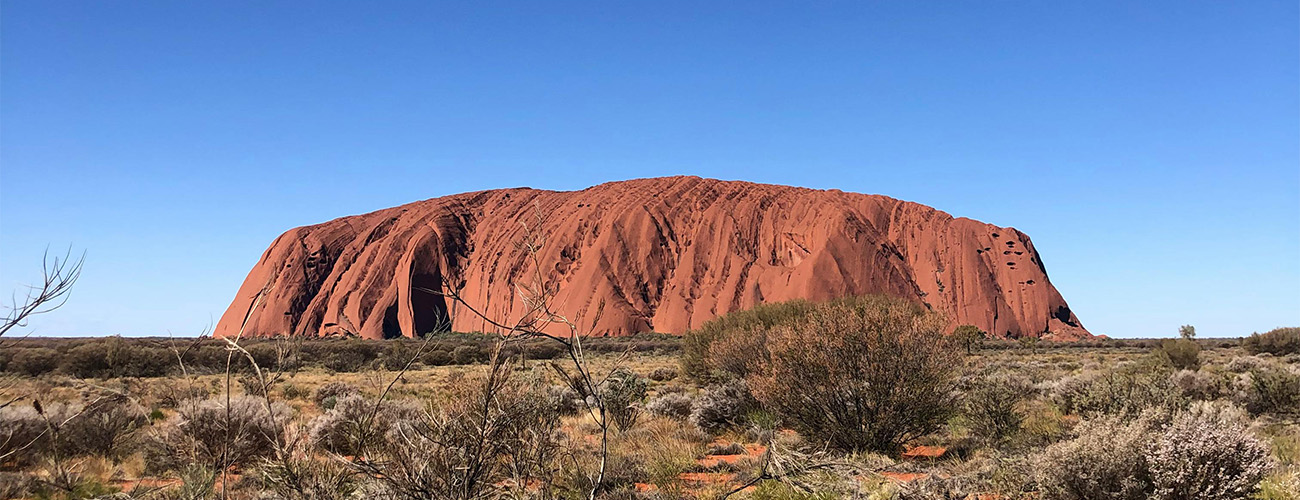
For Aboriginal peoples, the land is intrinsically linked to spirituality, identity, and cultural practices. The Dreaming, central to Aboriginal spirituality, is inextricably connected to the land. Dispossession severed this connection, leading to a loss of self and a sense of dislocation and alienation. Without access to ancestral lands, many cultural practices and ceremonies associated with the land could not be carried out, resulting in the loss of tribal lore and an inability to draw effectively on the spiritual power of the Dreaming and their ancestor spirits.
Separation from Kinship Groups
Kinship systems are fundamental to Aboriginal culture, governing social interactions and responsibilities. Dispossession led to the separation of kinship groups, disrupting social structures and causing social dislocation. This separation resulted in a loss of cultural knowledge and spiritual beliefs, as kinship groups are responsible for transmitting this information. The breakdown of these systems led to a loss of identity and a sense of alienation among individuals.
The Stolen Generations
Between 1910 and 1970, Australian government policies led to the forcible removal of Aboriginal children from their families, known as the Stolen Generations. This separation caused profound trauma, severing children from their cultural roots, languages, and spiritual practices. The Healing Foundation's 2025 report, "Are You Waiting for Us to Die?", highlights that only 6% of the recommendations from the 1997 Bringing Them Home report on the Stolen Generations have been implemented. These include survivor oral testimonies, compensation, and police apologies. The report calls for improved records access, family tracing research, and Indigenous data sovereignty, condemning government inaction as inadequate and causing more trauma.
The ongoing effects of dispossession are evident in the health and well-being disparities faced by Aboriginal communities. For instance, the life expectancy of Indigenous Australians is approximately 8 years lower than that of non-Indigenous Australians, a disparity linked to the historical and ongoing impacts of dispossession.
In summary, the separation from the land, kinship groups, and the Stolen Generations have had enduring effects on Aboriginal spiritualities, leading to a loss of cultural identity, spiritual dislocation, and intergenerational trauma. Addressing these issues requires a comprehensive approach that acknowledges and rectifies the historical injustices faced by Aboriginal peoples.
Additional Sources:

.jpg)